TRISTEM SA
Lifestyle factors that may influence stem cell aging

Lifestyle choices heavily dictate the rate of stem cell aging. While genetics set your baseline, systemic inflammation, metabolic health, and oxidative stress act as the environmental “dials” that either accelerate stem cell exhaustion or preserve their regenerative superpowers Experimental studies suggest that physical activity and dietary interventions may influence stem cell function by changing metabolism…
Read MoreHow do inflammation and the stem cell environment influence aging?

Inflammaging, a term describing age-associated chronic low-grade inflammation, can impair stem cell function and tissue repair. Senescent and injured cells subsequently release inflammatory molecules that alter the stem cell niche, the local environment that provides structural support and molecular signals to maintain stem cell quiescence, survival, and activation. As this supportive environment deteriorates with age,…
Read MoreWhat is Stem Cell Exhaustion?

Introduction Stem cells maintain tissue homeostasis by self-renewing and differentiating into mature cells needed for tissue growth, renewal, and repair in the skin, blood, muscles, intestines, and certain regions of the brain. Neural stem cell activity is more restricted than the continual cell replacement seen in blood and intestinal tissue. Aging can weaken stem cell…
Read MoreKey Aspects of Stem Cell Decline
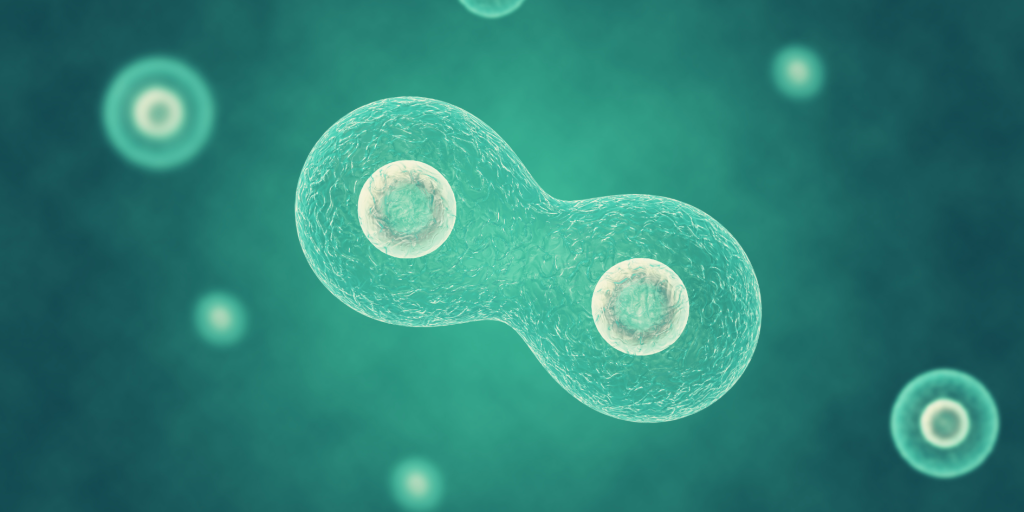
Key Aspects of Stem Cell Decline Stem cell decline is a core driver of aging and reduced tissue repair. As the body ages, somatic (adult) stem cells lose their ability to self-renew, maintain tissue balance, and effectively respond to injury Key Causes & Molecular Mechanisms Genomic Instability & DNA Damage: Accumulative mutations, double-strand breaks, and…
Read More